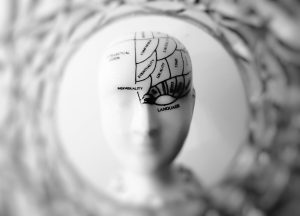

What Is the Purpose of Psychology?
Psychology is the scientific study of the human mind and behavior, helping us understand how people think, feel, communicate, and respond to the world around them. Through research, observation, and evidence-based practices, it explains why people behave in certain ways, predicts behavioral patterns, and promotes healthier emotional and mental well-being. While psychology is widely associated with mental health, its impact extends far beyond therapy, playing an important role in education, healthcare, workplaces, relationships, sports, business, child development, and personal growth by providing practical insights that improve everyday life.
What Does Psychology Mean?
What does psychology mean? is a common question. The Greek terms “psyche,” which means mind or soul and “logos,” which means study or knowledge, are the origin of the word psychology. Psychology is the scientific study of the mind and behavior, to put it simply. Psychology investigates issues like:
- Why do individuals act differently in comparable circumstances?
- What impact do thoughts have on feelings?
- Why do some experiences stick in our minds?
- What impact do childhood events have on an adult’s behavior?
- What leads to low motivation, fear, anxiety, or stress?
- How can individuals form better connections and habits?
- Psychologists learn more about social interactions and human behavior by examining these questions.
What Is the Main Purpose of Psychology?
The primary purposes of psychology include describing, explaining, predicting, and improving. Let’s discuss them.
1. Describing Behavior
To begin with, observing and describing what a person is doing or how they feel. For example, a psychologist may note signs of insomnia, anxiety, loss of motivation, depersonalization, or changes in appetite. Accurate descriptions help the researcher understand the situation.
2. Explaining Behavior
Furthermore, the word psychology means explaining what the observed behavior means. For example, a person may avoid social interactions due to social anxiety, poor self-esteem, past rejections, or the fear of judgment. Knowing the possible causes can help the therapist and client address the issue.
3. Predicting Behavior
Understanding psychology can help forecast how individuals might react in specific situations. For instance, persistent pressure at work may raise the risk of burnout, stress, fatigue, and decreased productivity. Since each person is unique, predictions are not always accurate, but they can help identify hazards and direct early support.
4. Improving Mental State and Behavior
Helping individuals live better lives is one of psychology’s most important goals. Psychological strategies could benefit people:
- Control your tension and worry
- Recognize challenging feelings
- Boost communication
- Increase your confidence • Create constructive coping mechanisms.
- Develop stronger connections
- Get rid of harmful habits
- Make wiser choices.
- Deal with unpleasant occurrences
- Enhance their general standard of living
Psychology does more than only pinpoint issues. Additionally, it offers useful instruments for constructive change.
Is Psychology a Science?
Is Psychology a science? The answer is yes. Psychology is considered a science because researchers use scientific methods to conduct research on the mind, emotions, and behavior. Psychological studies often involve controlled experiments, observations, surveys, interviews, case studies, assessments, neuroimaging techniques, and statistical analysis to draw conclusions and evaluate the effectiveness of different interventions. At the same time, because human behavior is complex and influenced by numerous factors, psychology can sometimes be less precise than the natural sciences. One’s thoughts and actions cannot be predicted with absolute accuracy because a lot depends on individual characteristics, environment, genes, upbringing, personality, social interactions, and current circumstances. Therefore, rather than focusing on whether everyone behaves the same, we can look at general trends based on research.
What Is Psychological Science?
The scientific study of behavior and mental processes is known as psychological science. To comprehend how the mind functions, it integrates theories, observations, experiments, and evidence.Psychological science studies topics like:
- Memory and learning
- Personality development
- Emotional control
- Motivation
- Decision-making
- Social behavior
- Childhood development
- Mental health issues
- Brain and behavior links
- Relationships and communication are just a few of the topics that psychological science studies.
The results of psychological research are applied to enhance community initiatives, parenting techniques, education, healthcare, therapy, and workplace performance. Psychological guidance would be based solely on subjective beliefs or presumptions in the absence of empirical study. Psychological science ensures that recommendations and treatments are backed by solid data.
Understanding Human Psychology
Understanding human psychology is a study of the human mind, its development, and behavior. Each of us has our own personality, temperament, habits, and biological characteristics. Each of us has experienced different things and acquired different attitudes and behavioral habits. The influence of these factors on behavior is considered in human psychology. For example, two people faced the same situation but acted completely differently. One of them may have felt anxious and hesitant, while the other took it positively and confidently. Everything depends on their opinions, attitudes, support systems, past experiences, behavioral habits, and how they perceive the current situation. With an understanding of human psychology, a person can not only control their feelings but also understand why they feel what they feel. People may also adopt a more tolerant attitude towards others since their behavior depends on their personality and experiences, which may differ from a person’s.
Five Important Types of Psychology
Psychology has numerous subfields. However, when people look up the five forms of psychology, they frequently debate the following

1. Clinical Psychology
Clinical psychology focuses on assessing and treating mental disorders such as anxiety, depression, and trauma. Clinical psychologists can be helpful to people with behavioral health problems. To improve the client’s condition, a psychologist can use specially selected therapeutic techniques and procedures.
2. Counseling Psychology
Counseling psychology aims to help people struggling with personal, emotional, social, or environmental issues in their daily lives. People with low self-esteem, anxiety, relationship problems, stressful events, or difficult life situations can receive counseling assistance.
3. Cognitive Psychology
Cognitive psychology studies the mental processes involved in learning, memory, attention, language, perception, and problem-solving. Researchers in this field seek to understand how people think, learn new things, and remember information.
4. Developmental Psychology
Developmental psychology studies human development throughout life. Researchers examine social, emotional, and cognitive changes that occur in early childhood, adolescence, young adulthood, middle age, and old age. Developmental psychologists are interested in language development, attachment, identity, parenting, learning, and age-related changes.
5. Social Psychology
Social psychologists study how an individual’s thoughts, feelings, and behavior are influenced by other people and groups. In social psychology, such concepts as conformity, prejudice, social influence, attractiveness, relationships, leadership, persuasion, and aggression are analyzed.
There are only five listed here, but psychology includes many other areas such as educational, organizational, forensic, health, sports, neuropsychology, and numerous other disciplines.
Why Psychology Today Is Important
The importance of psychology today is difficult to overestimate because a lot of people struggle with various challenges. The workplace and school can be very stressful, people may have financial problems, family issues, low self-esteem, social media and comparisons, loneliness, information overload, uncertainty about the future, and so on. People can learn how these stresses affect their emotions and bodies with the help of psychology. Moreover, psychology can teach us how to deal with negative emotions instead of ignoring or suppressing them.
Even if a person does not have severe psychological problems, understanding human nature is important for them as well. A deeper understanding of how emotions work, how to interact with other people, how to handle stress, and what steps to take to improve one’s life can help achieve a better quality of life.
How Psychology Helps in Everyday Life
We use the concepts of psychology in our everyday lives without
even thinking about it. They help us understand why we procrastinate, why we cannot stand specific people, why it is so hard to quit a bad habit, or why certain things tend to provoke our anger. In other words, psychology helps us understand how our mind works, and knowing this can make our lives easier. For example, a person can use psychology:
- To recognize harmful thought patterns
- To get their needs met
- To set healthy boundaries with others
- To analyze relationship issues
- To manage anger and irritation
- To study more effectively
- To build better relationships at the workplace
- To practice emotional resilience
- To stop making rash decisions
- To increase self-acceptance.
Psychology and Mental Health Support
In the treatment of mental illness, psychology is crucial. A licensed psychologist or therapist can offer a private, secure setting where people can discuss their feelings, experiences, relationships, and personal struggles. People may be able to recognize the relationship between their thoughts, feelings, and behaviors with the aid of therapy. Additionally, it might assist them in challenging harmful beliefs, developing coping mechanisms, and coming up with workable plans for transformation. It is not a sign of weakness to seek psychological support. It can be a responsible step toward personal growth, emotional well-being, and self-awareness.
Psychology in Spanish
The translation of psychology may be of interest to those looking for the term in Spanish. In Spanish, psychology is spelled as “psic.”

It is possible to translate “human psychology” as “psicě humana” and “psychological science” as “ciencia psicolòica.” Understanding the human mind, emotions, and behavior is the primary goal, even though the language may vary.
Frequently Asked Questions
What is the purpose of psychology in simple words?
Understanding human thought, emotion, and behavior is the goal of psychology. Additionally, it aids in relationship improvement, good habit development, emotional regulation, and mental health issues.
Is psychology only about mental illness?
No. Additionally, learning, memory, motivation, relationships, personality, communication, child development, workplace behavior, and decision-making are all studied in psychology
Is psychology a science or an art?
Because psychology makes use of observation, experimentation, investigation, and evidence, it is a science. Empathy, effective communication, and a comprehension of personal experiences may also be necessary when using psychological knowledge in treatment
What are the five main types of psychology?
Clinical psychology, counseling psychology, cognitive psychology, developmental psychology, and social psychology are the five types that are frequently discussed.
Conclusion
Through scientific investigation and real-world application, psychology seeks to comprehend the human mind and behavior. It offers methods for emotional development and healthier living while also helping to understand why people think, feel, and act in particular ways. Through scientific investigation and real-world application, psychology seeks to comprehend the human mind and behavior.